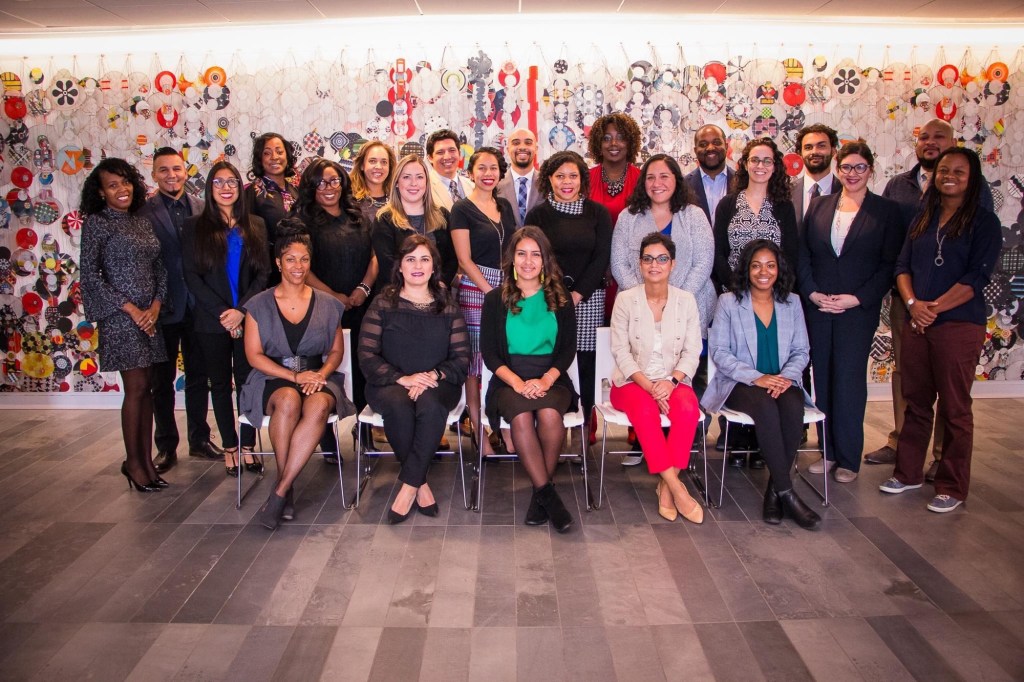
Diversity and representativeness are essential for creating inclusive workplaces where all individuals have the opportunity to thrive and contribute their unique perspectives. This section focuses on recruiting and retaining diverse talent, implementing inclusive policies and practices, and promoting cultural competency among staff members, while maintaining a focus on racial equity throughout a school district or organization.
Diversity isn’t just about numbers; it’s about actively recruiting from underrepresented groups and implementing inclusive policies that foster a culture of belonging. As someone who embodies intersectionality, I understand the importance of championing diversity in every aspect of our work. My journey has taught me the value of pouring from my excess rather than my essence, and I’m committed to promoting equity and inclusion in the workplace. By leveraging diverse perspectives and experiences, organizations can create environments where everyone feels valued and respected.
Competencies
- Diverse Recruitment: Actively recruit and hire individuals from underrepresented groups to promote diversity within the organization, fostering a culture of inclusivity and equity. By conducting equity audits of the organizational composition and prioritizing equitable enrollment and access, organizations can ensure representation and diversity at every level.
- Inclusive Policies: Implement policies and practices that promote equity and inclusion, such as flexible work arrangements and inclusive benefits packages, creating a supportive environment for all employees. Additionally, ensure alignment with non-discrimination policies and provide avenues for reporting acts of discrimination, with a focus on addressing systemic barriers.
- Cultural Reflection: Develop cultural competency among staff members to ensure they can effectively navigate diverse environments and engage with individuals from different backgrounds respectfully. By offering cultural reflection training, intersectionality workshops, and policy analysis sessions, organizations can educate staff on the importance of cultural responsiveness, anti-racism, anti-bias, and diversity.
Measures of Growth
- Representation Metrics: Track the representation of diverse groups within the organization to measure progress towards workforce equity goals, identifying areas for improvement and accountability. Conduct regular audits to monitor competency attainment and ensure alignment with diversity and workforce equity goals, with a focus on promoting equity and inclusion for all.
- Retention Rates: Monitor retention rates for individuals from underrepresented groups to assess the effectiveness of workforce equity initiatives and identify strategies for retaining diverse talent. By prioritizing retention efforts and addressing barriers to advancement, organizations can create environments where all individuals feel valued, respected, and empowered to contribute their unique perspectives and talents.
- Employee Engagement Surveys: Conduct surveys to gauge employee perceptions of diversity and inclusion within the organization, informing ongoing efforts to promote a culture of belonging. By soliciting feedback from employees and addressing concerns, organizations can create inclusive environments where all individuals feel supported and engaged.
Learning Opportunities
- Community Co-design Training: Offer training sessions on workforce equity and inclusion to educate staff members on the importance of creating inclusive environments and fostering cultural competency. Provide opportunities for staff members to enhance their cultural competency through workshops, seminars, and experiential learning activities, with a focus on promoting understanding and empathy across differences.
- Cultural Responsiveness Development: Provide opportunities for staff members to enhance their cultural competency through workshops, seminars, and experiential learning activities, empowering them to engage effectively with diverse stakeholders. By investing in cultural competency development, organizations can equip staff with the skills to navigate diverse environments and foster inclusive practices.
- Leadership Development: Offer leadership development programs that emphasize the value of diversity and provide skills for fostering inclusive and equitable workplaces. By promoting diversity in leadership and providing support for inclusive leadership practices, organizations can create environments where all individuals have the opportunity to thrive and succeed.
Accountability Mechanisms
- Community Co-design Task Forces: Establish task forces or committees responsible for monitoring progress towards workforce equity goals and implementing strategies to address gaps. By involving stakeholders in the accountability process and promoting transparency in decision-making, organizations can ensure that diversity initiatives are aligned with organizational priorities and values.
- Performance Evaluations: Include diversity and inclusion metrics in performance evaluations for leaders and managers, incentivizing efforts towards creating inclusive environments. By holding leaders accountable for championing diversity and inclusion, organizations can create cultures where diversity is valued and celebrated.
- External Audits: Conduct regular external audits or assessments to ensure compliance with workforce equity and inclusion standards and identify areas for improvement. By engaging with external stakeholders and seeking feedback from the community, organizations can demonstrate a commitment to accountability and transparency in diversity efforts.
Case Study
Working with a large public institution, we developed and implemented a comprehensive workforce equity and inclusion strategy aimed at promoting equity in the workplace. Through targeted recruitment efforts, employee resource groups, and leadership development programs, we fostered a culture of belonging where individuals from diverse backgrounds felt valued and empowered to contribute their unique perspectives. As a result, the company saw an increase in employee satisfaction, retention, and innovation, ultimately driving business success and enhancing their reputation as an employer of choice committed to equity and inclusion.
Closing Questions
- How can organizations leverage diversity and representativeness to promote equity and inclusion in the workplace?
- What are some potential strategies for recruiting and retaining diverse talent, and how can organizations ensure that these strategies are implemented with equity and fairness?
- How will organizations measure progress towards workforce equity goals and hold themselves accountable for creating inclusive environments?
- What role do leadership and management play in fostering diversity and inclusion, and how can organizations ensure that leaders are held accountable for promoting equity and justice?
- How can organizations engage with external stakeholders and the community to ensure that diversity efforts are responsive to the needs and priorities of all individuals?
Interpretative Summary
Informed by my extensive experience in policy and budgeting championing for most impacted communities, I believe diversity and representativeness are essential components for creating inclusive workplaces where all individuals have the opportunity to thrive and contribute their unique perspectives. By actively recruiting from underrepresented groups, implementing inclusive policies and practices, and promoting cultural competency, organizations can foster environments where everyone feels valued and respected. Competencies such as diverse recruitment, inclusive policies, and cultural competency, along with measures of growth, learning opportunities, and accountability mechanisms, support the advancement of equity through inclusive practices. The case study of the collaboration with a large public institution underscores the transformative power of diversity and inclusion strategies in driving business success and enhancing organizational reputation.
 LRFB Equity Consulting, LLC
Leave a comment