COMMUNITY CO-DESIGN FOR EQUITY FRAMEWORK
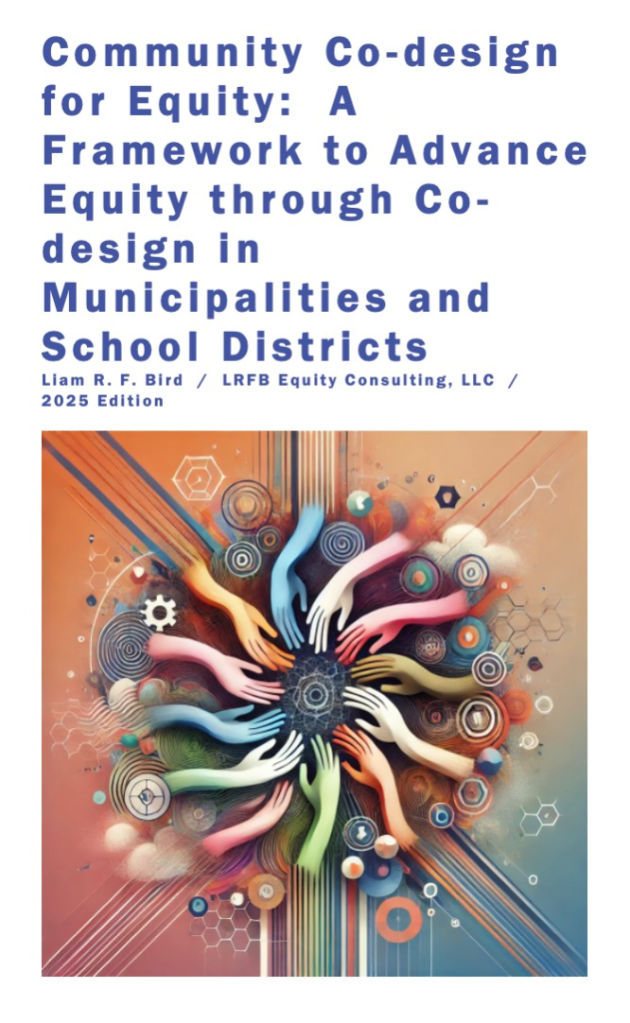
Our foundational model, the Community Co-Design for Equity Framework, provides a step-by-step roadmap for institutions seeking to transform decision-making processes through authentic community partnership. This framework is built on six chapters—each representing a critical phase in building systems that prioritize justice and belonging.
This model has been implemented in school districts, city departments, and higher education systems, guiding institutions through deep transformation—not performative change.
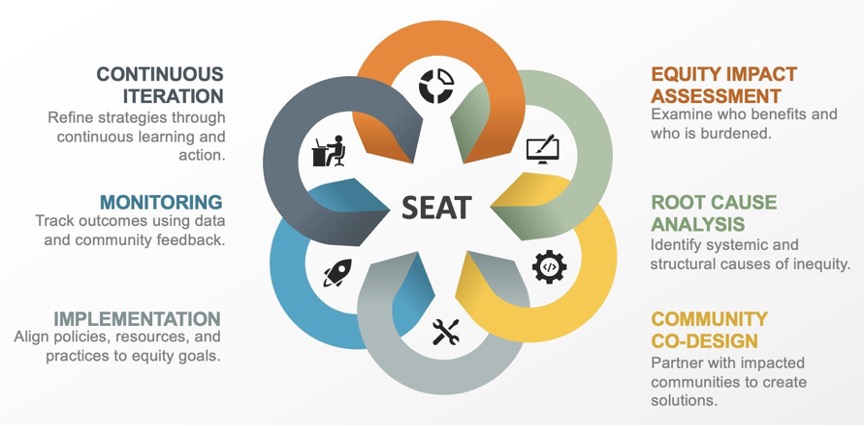
SCHOOL EQUITY AUDIT TOOL (SEAT)
At the school level, we complement our co-design framework with the School Equity Audit Tool (SEAT)—a customizable process that guides schools through an equity audit of their policies, practices, and systems.
SEAT is designed to be practical, community-anchored, and focused on sustainable systems change. Learn more about SEAT here.
FRAMEWORK TOOLS
This section features tools designed to be used alongside the Community Co-Design for Equity Framework and the School Equity Audit Tool (SEAT). These free, justice-centered resources are built to support community-driven inquiry, policy reflection, and equity-based redesign.
- Empathy Interview Workbook: Empathy interviews are a powerful equity practice grounded in community wisdom and designed to center the voices of those most impacted by inequity. This tool was influenced by motivational interviewing and appreciative inquiry, and supports meaningful conversations that lead to community-driven change. You can download the workbook here and begin using empathy interviews in your school, organization, or community.

FRAMEWORK LEADERSHIP
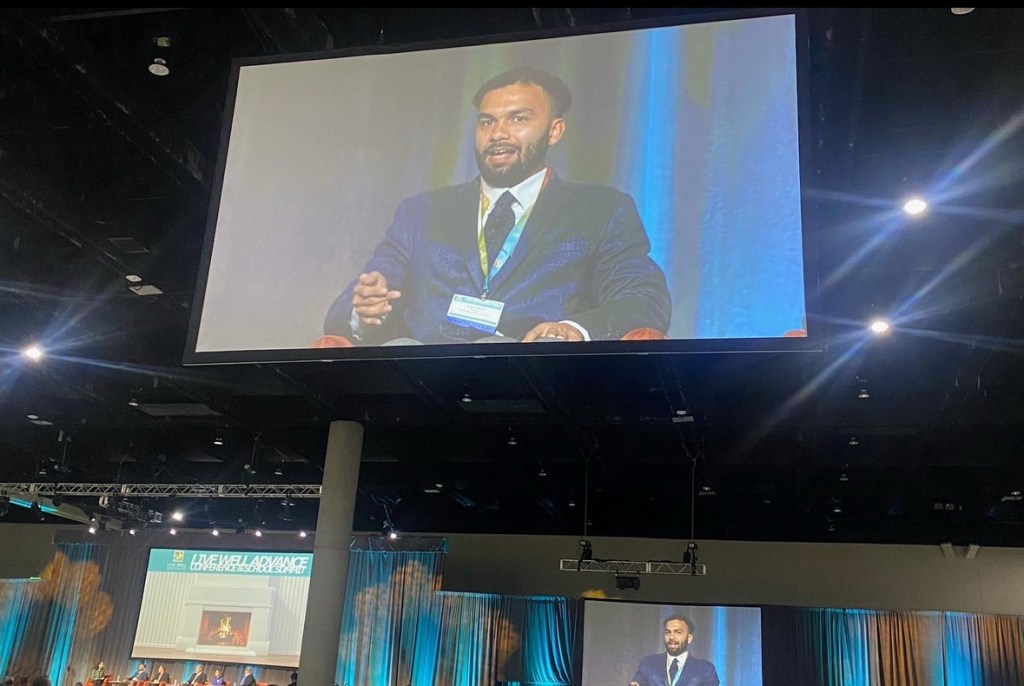
Our founder, Liam R. F. Bird, is the principal architect of the Community Co-Design for Equity Framework and the School Equity Audit Tool. He previously served as a founding leader of the Chicago Public Schools Equity Office, where he co-authored the CPS Equity Framework and led the creation of landmark policies like the Naming or Renaming of Schools Policy, the Culturally Responsive Education and Diversity Policy, and the Opportunity Index.
In 2021–2022, he also served on both the Illinois Board of Higher Education Equity Committee and the Illinois State Board of Education Equity Committee, helping to shape statewide equity frameworks rooted in community co-design and cultural responsiveness.
 LRFB Equity Consulting, LLC