-

As of mid-2025, progress in U.S. school districts on equity policies remains uneven. While some districts have robust frameworks and dedicated offices, many lag behind, particularly in politically restrictive regions. The study highlights stark contrasts between majority-POC and majority-white districts, and emphasizes the influence of federal and state politics on equity initiatives.
-

The Institutional Consumer Equity Assessment is a step-by-step tool that helps school districts, municipalities, and public agencies analyze how much of their spending flows through Fortune 100 companies and the equity impact of those companies. By using CEI grades and identifying high-risk procurement areas, institutions can realign their budgets with their equity values and make…
-

The Empathy Interview Workbook is a free tool designed for schools and municipalities, facilitating deeper, equitable listening by prioritizing lived experiences in community conversations. It guides teams through structured interviews, helping uncover underlying issues and aligning with relevant policies. This resource is part of the Community Co-Design for Equity Framework.
-
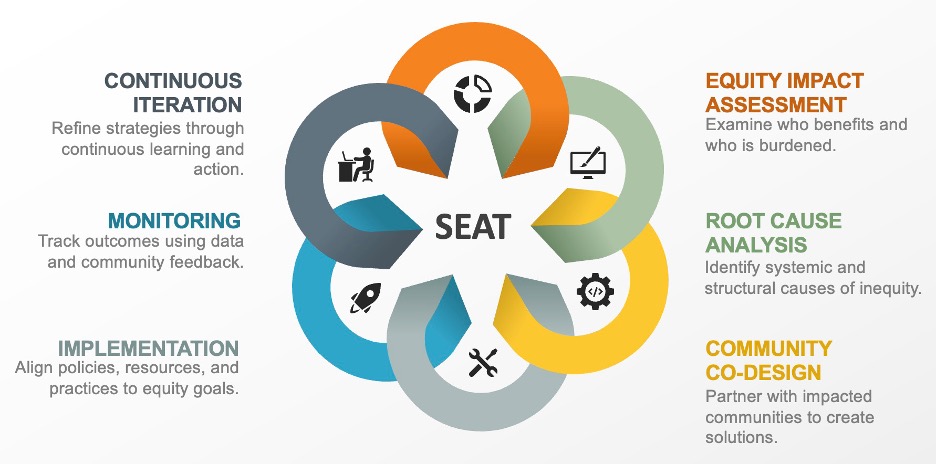
The School Equity Audit Tool (SEAT) is a six-phase, justice-centered process to transform school policies through community co-design, data analysis, and continuous improvement. It empowers those most impacted by inequity to lead systemic change and build equitable, liberatory schools rooted in belonging.
-

This piece analyzes the latest DEI rollbacks in higher education and offers bold predictions about escalating repression, political polarization, and resistance. It frames the moment as a test of institutional integrity and a call to action for those committed to liberatory education.
-

The 2025 Consumer Equity Index (CEI) measures structural equity in the Fortune 100 corporations. Most companies score poorly, with only 2 achieving an A grade. The CEI serves as a tool for accountability and promoting equity in business operations.
-

The College and University Political Repressivity Index (CUPRI) assesses U.S. colleges’ political repression, highlighting anti-Blackness and Islamophobia, equipping students with insights on institutional support and opposition.
-
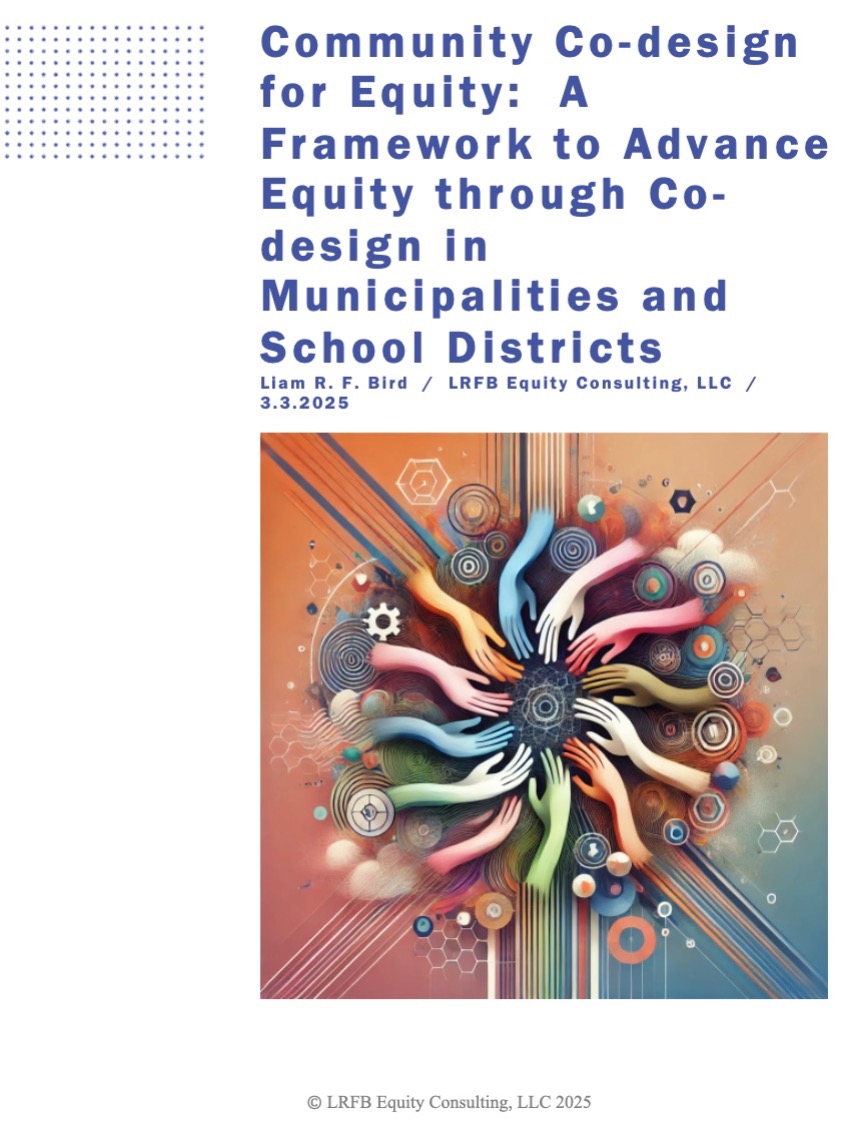
Equity is a vital struggle for justice and empowerment, necessitating active engagement against growing DEI attacks. The working paper, “Community Co-Design for Equity in Municipalities and School Districts,” advocates for structural changes in institutions to prioritize equity. It emphasizes community co-design, power-sharing, and accountability to ensure meaningful transformation and proactive solutions.
-

This post explores the ongoing struggle for educational equity in Chicago, Illinois, and across the U.S., using the metaphor of a race where systemic barriers, federal rollbacks, and evolving local solutions determine whether students reach the finish line or face an uncertain path forward.
-

This article unpacks the Trump Administration’s January 2025 rollback of federal DEI programs and offers bold predictions on how heightened surveillance, policy shifts, and local and global resistance will challenge racial capitalism and deepen the fight against social inequality over the next four years.
-
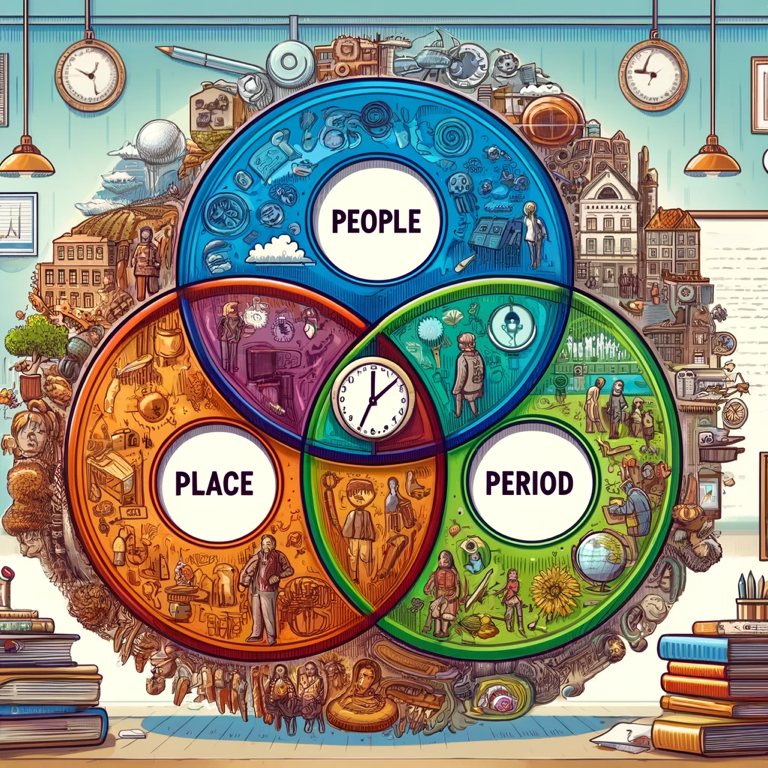
As highlighted in a recent Chicago Tribune article the Chicago Public Schools (CPS) Opportunity Index is revolutionizing resource allocation, creating a more equitable funding model. The article notes, “This innovative approach aims to balance the scales, prioritizing funding to those who need it most, based on historical and social factors.” During my tenure as the
-
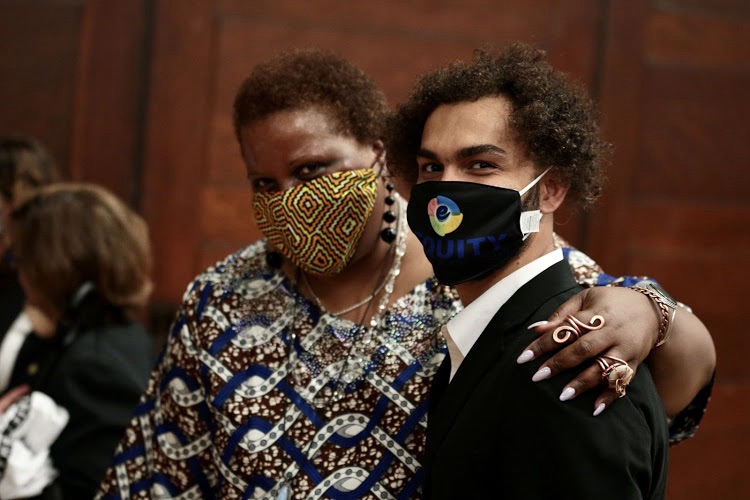
Diversity and representativeness are essential for creating inclusive workplaces where all individuals have the opportunity to thrive and contribute their unique perspectives. This section focuses on recruiting and retaining diverse talent, implementing inclusive policies and practices, and promoting cultural competency among staff members, while maintaining a focus on racial equity throughout a school district or
-
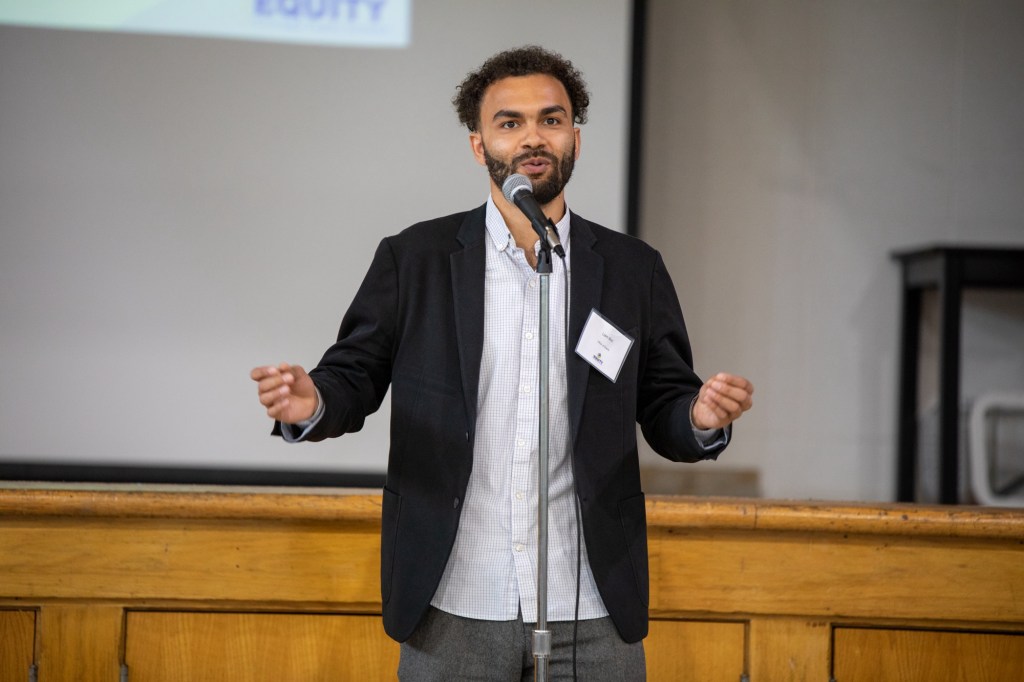
Embracing anti-racism and anti-bias principles is crucial for dismantling systemic inequities and fostering environments where all individuals feel valued and respected within organizations. By confronting biases, understanding systemic racism, and advocating for policy changes, organizations aim to address inequities effectively and promote a culture of inclusion and belonging. As someone who has experienced discrimination and
-
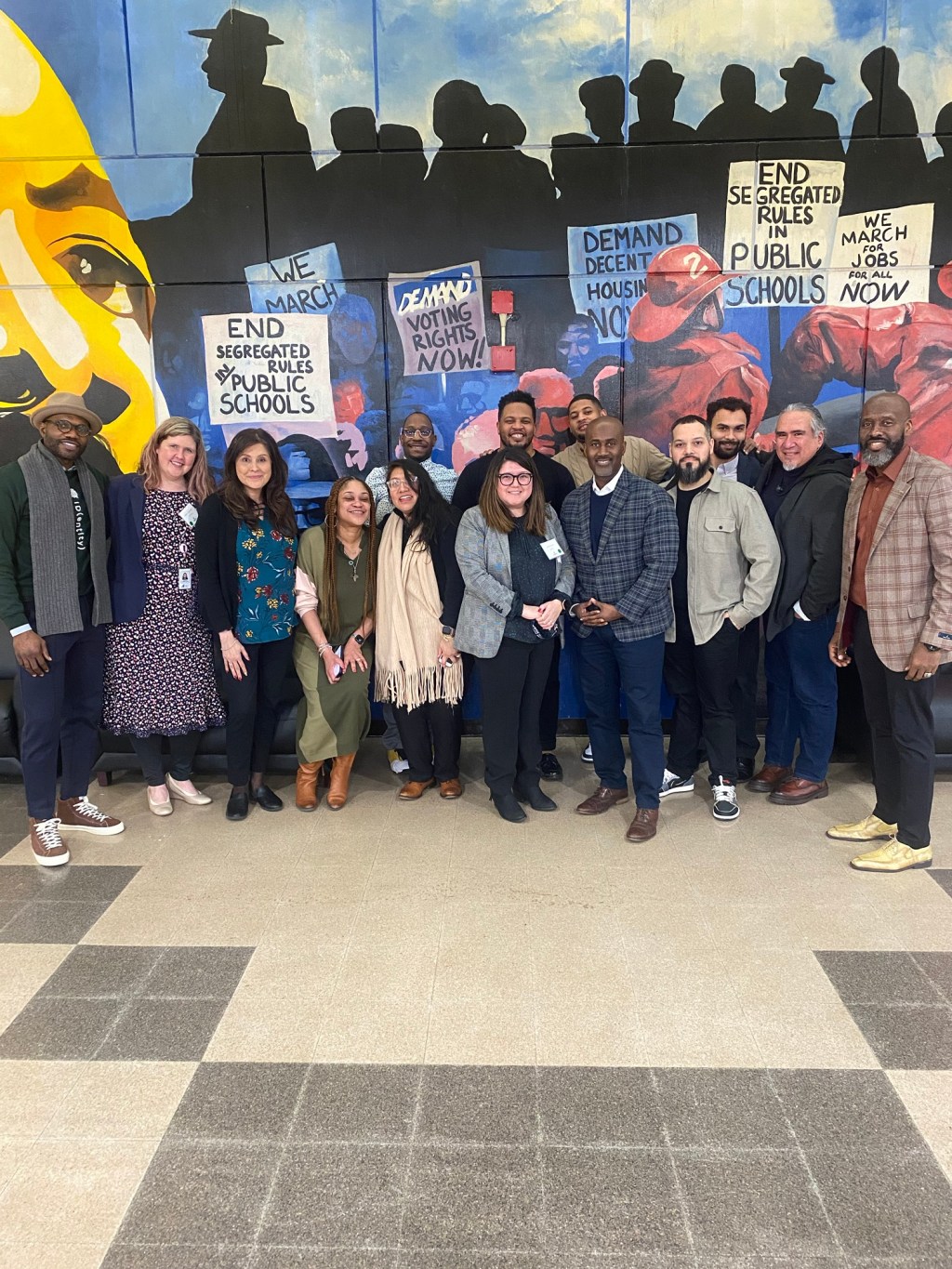
As a Black biracial CIS male, I’ve navigated the complexities of racial identity firsthand. My journey has shaped my commitment to fostering inclusive environments where everyone feels valued and respected, regardless of their background. Cultural responsiveness isn’t just a buzzword; it’s a guiding principle deeply ingrained in my personal ethos. Incorporating community organizing and co-design
-
Subscribe
Subscribed
Already have a WordPress.com account? Log in now.
 LRFB Equity Consulting, LLC